Each piece in our collection is a testament to the skill, passion, and dedication of our artisans. With roots deeply embedded in the cultural heritage of Central Asia, our commitment to preserving traditional craftsmanship is at the heart of everything we do.
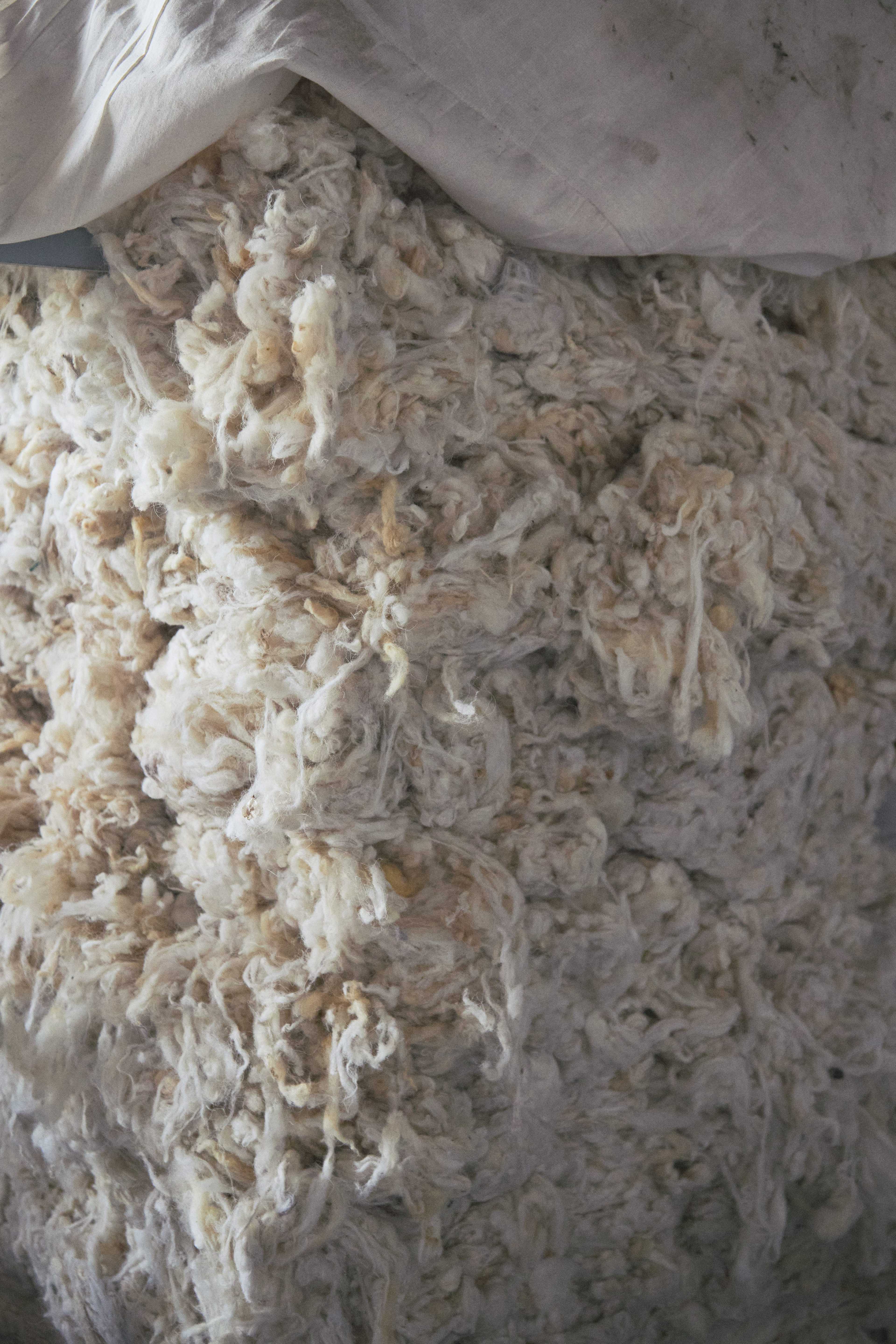
Wool sourcing
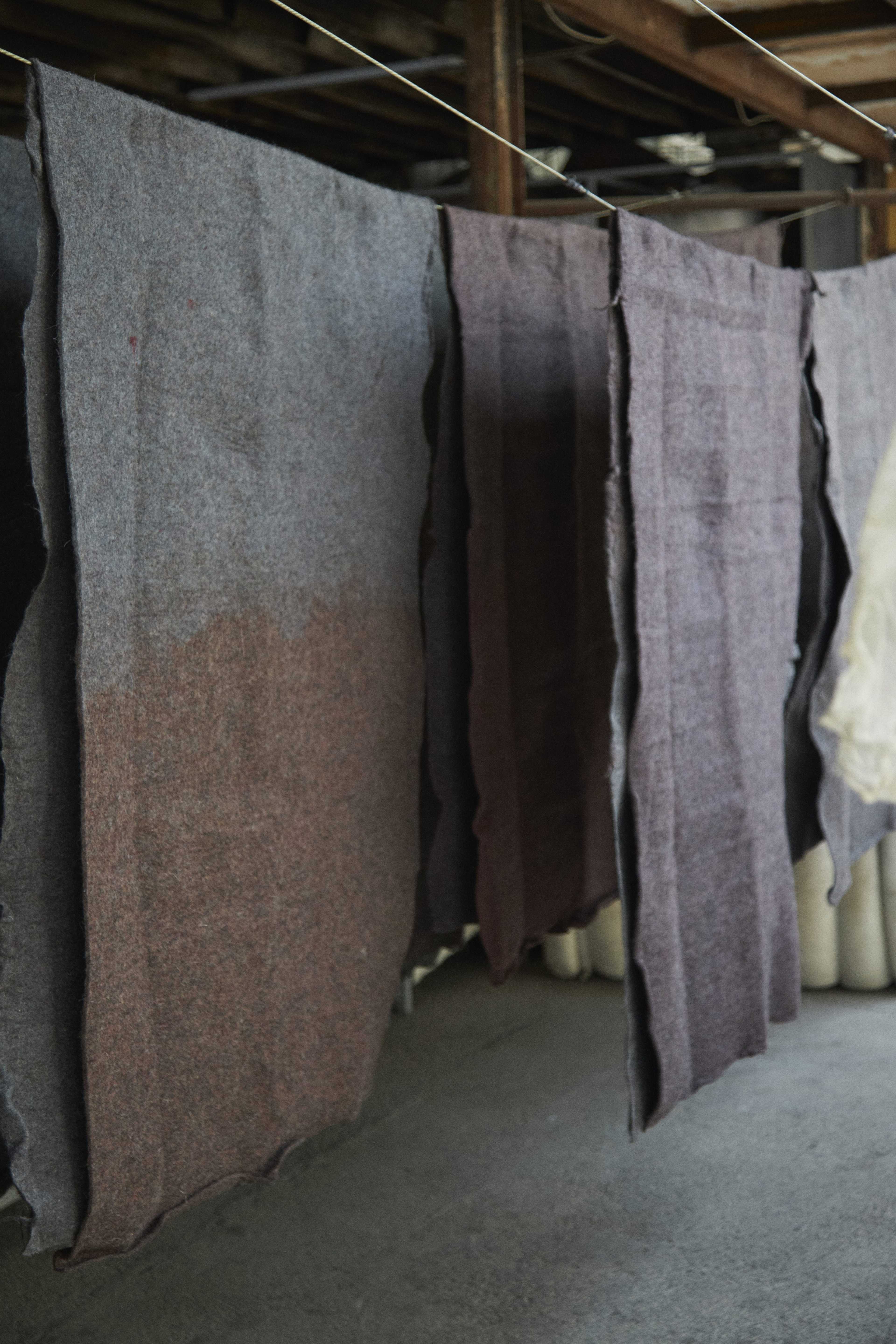
Felting
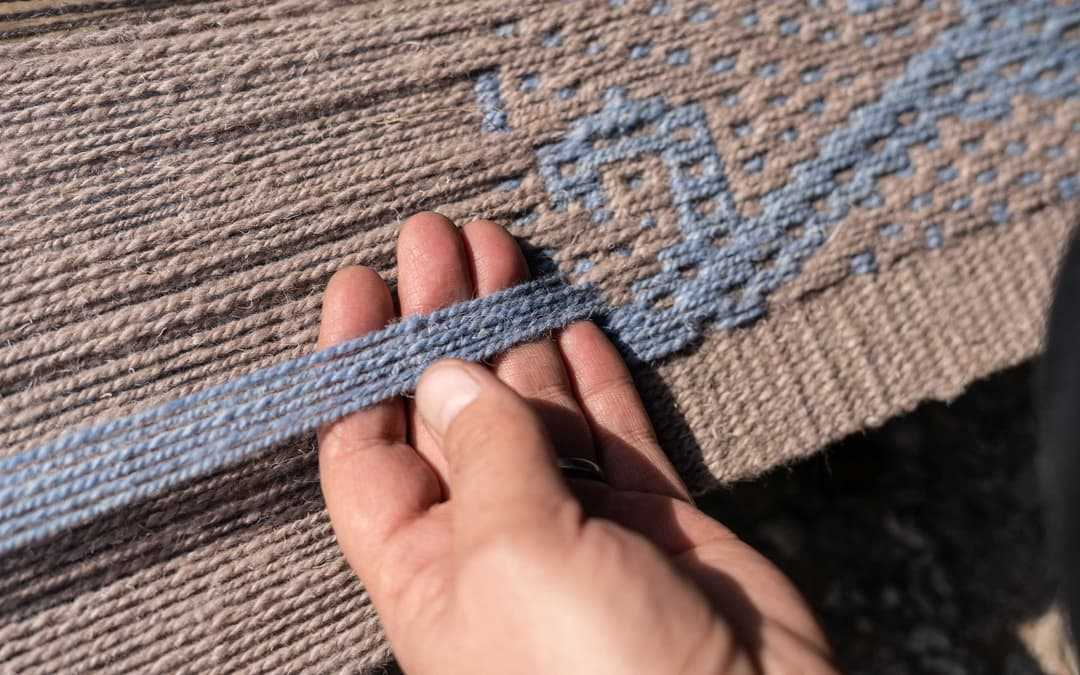
Termeh
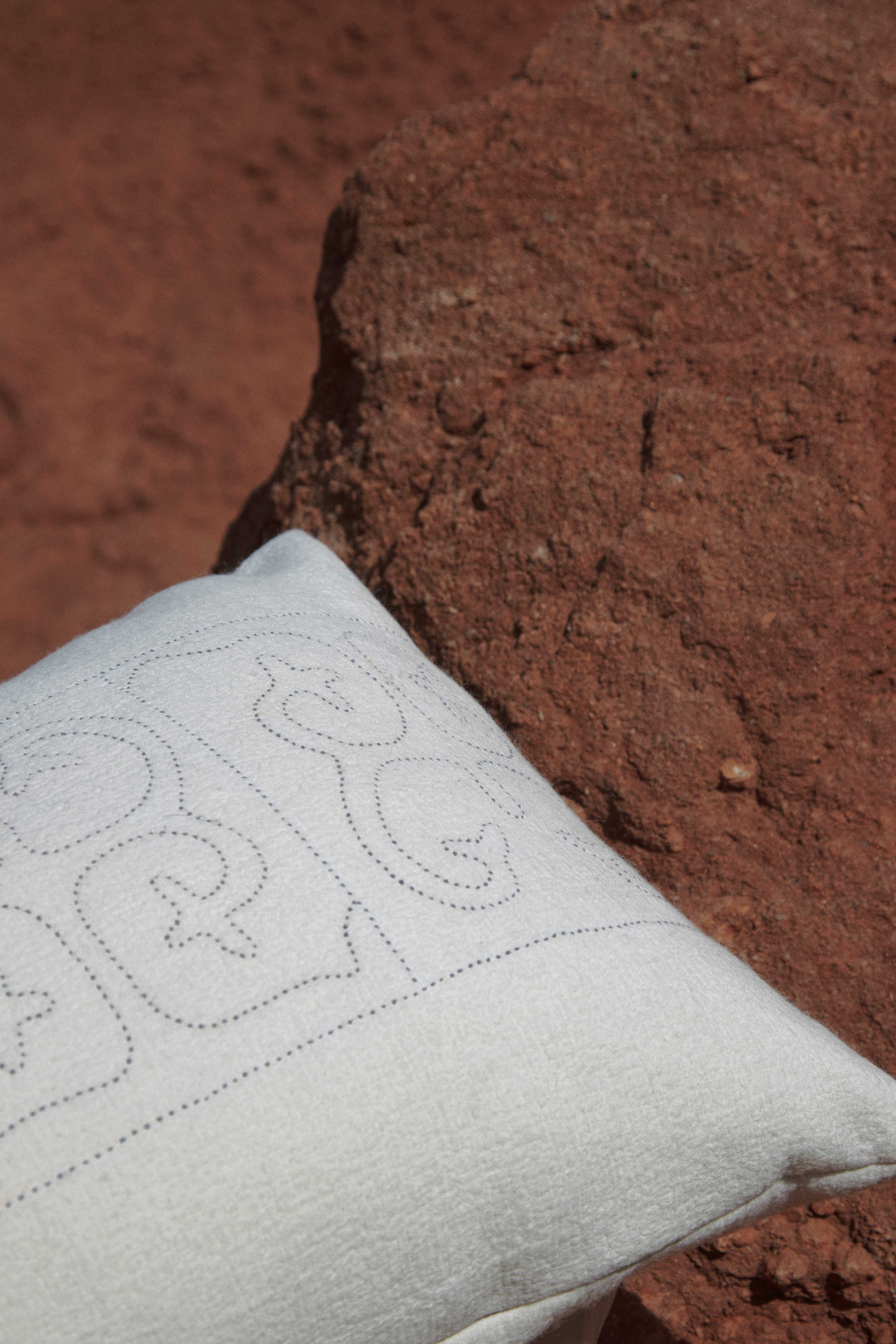
Stitching
Shyrdak
Quilting

Artisans

We take immense pride in collaborating with skilled craftsmen and craftswomen, whose artistry has been passed down through generations. Their expertise and attention to detail are what make each YOURTA creation a unique and cherished work of art.

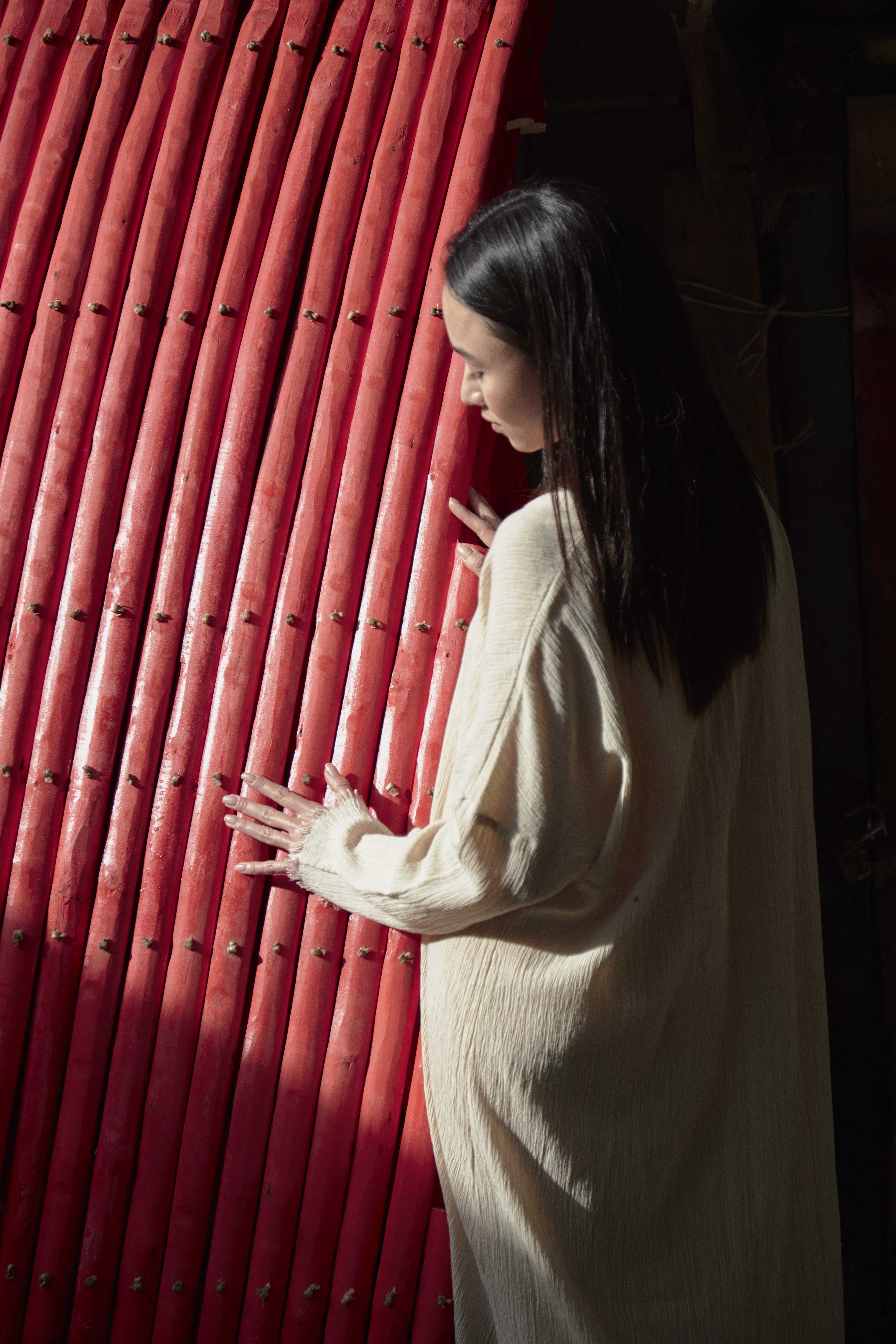
From hand carved wooden carcasses of the yurt to hand-stitched cushions, our craftsmen pour their hearts into every piece. Each element, from the selection of premium materials to the finishing touches, is executed with precision and love.
On techniques

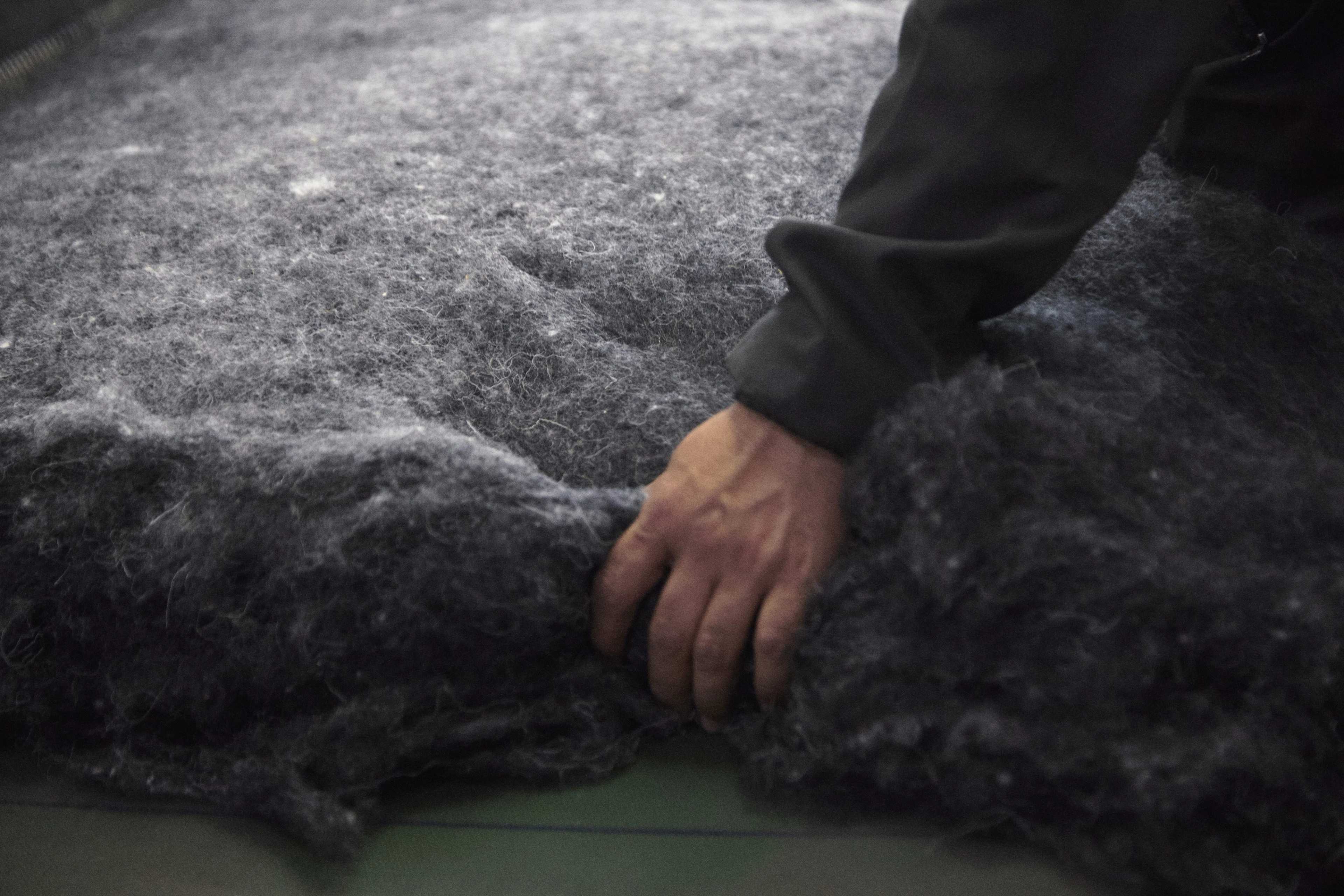
Felting is one of the oldest known textile techniques, in which wool fibers could be transformed into a sturdy and insulating fabric through a process of matting and interlocking. The earliest evidence of felting can be traced back to Central Asia, the Middle East, and parts of Northern Europe, where nomadic tribes relied on felted textiles for clothing, shelter, and other essential items. The unique properties of felt made it ideal for yurts (traditional circular tents that have been used for centuries by nomadic people). Felted wool protects the structure from extremes, keeping it cool in summer and warm in winter.

The process of felting begins with raw wool, which is the loose and unspun fiber. The wool fibers are arranged in layers or a specific pattern, and then they are moistened with warm soapy water.

Next, the fibers are subjected to agitation and pressure. This can be done by hand, using techniques like rubbing, rolling, and kneading the wool, or by using specialized felting tools such as felting needles or a felting machine. The agitation causes the microscopic scales on the surface of the wool fibers to open up and entangle with each other.

As a result of the agitation and the interlocking of fibers, the wool begins to shrink and compact, creating a solid and matted fabric. The process permanently binds the fibers together without the need for weaving or knitting.
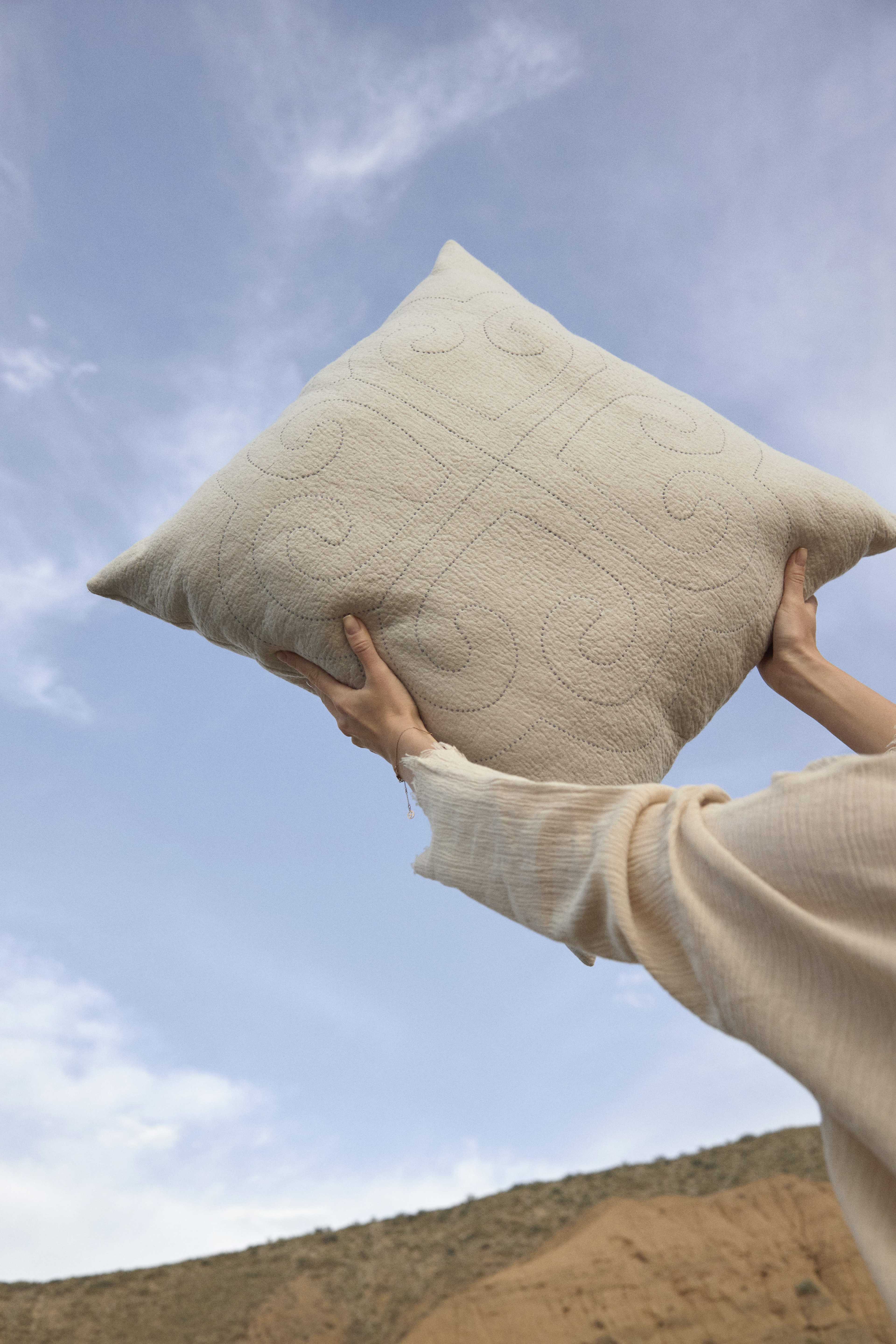
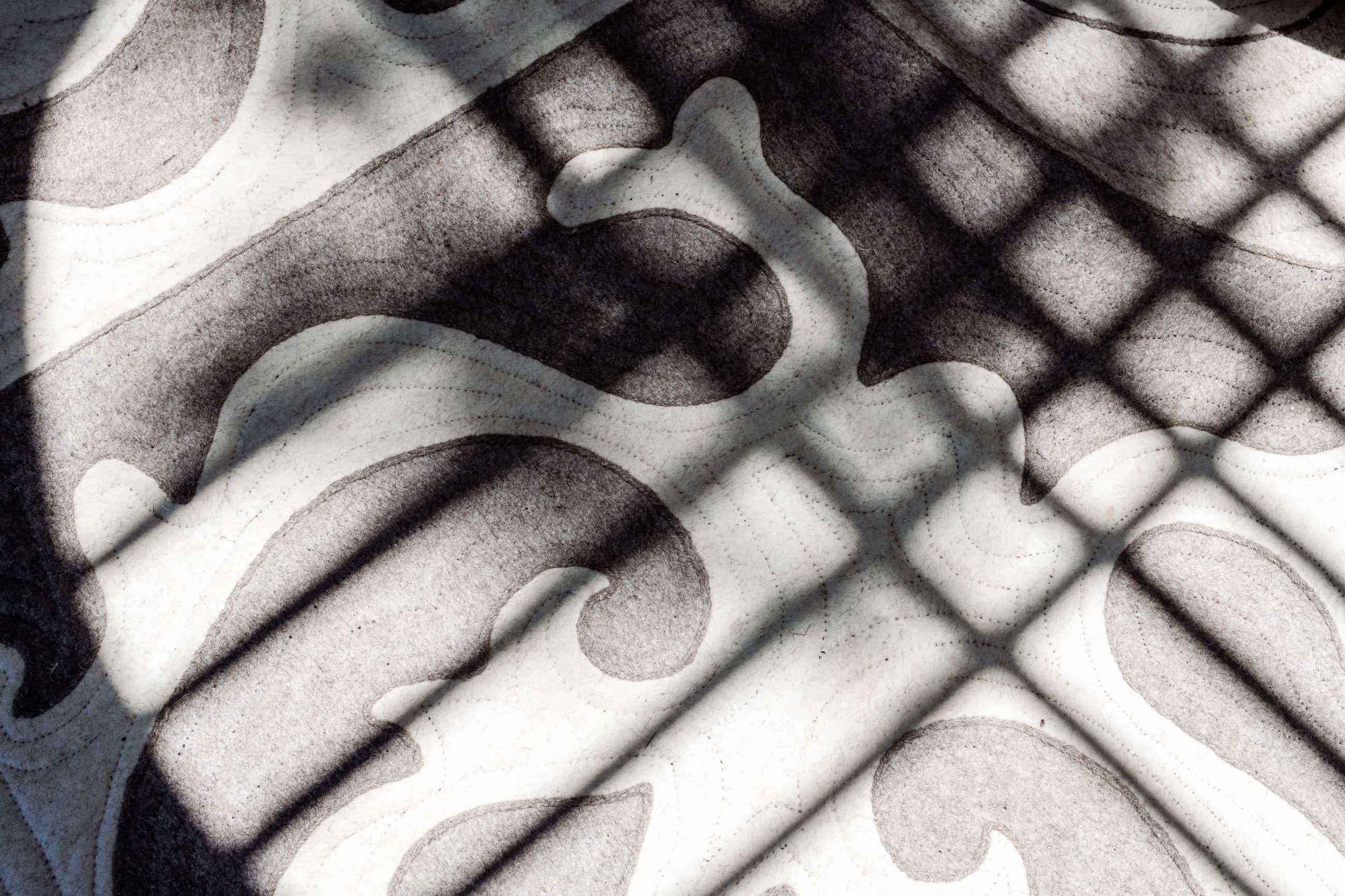
A shyrdak is a traditional felted rug or carpet that holds significant cultural importance in the nomadic communities of Central Asia, particularly among the Kyrgyz people.

The process of creating a shyrdak involves several steps. It begins with the shearing of sheep's wool, which is then washed, cleaned, and carded to align the fibers. The prepared wool is then dyed using natural plant-based dyes to achieve a wide range of colors.

Next, the dyed wool is laid out on a flat surface in intricate patterns and motifs. Layers of wool are stacked upon each other to create the design, and additional pieces of colored wool are added to form the contrasting patterns. Once the design is complete, the wool is covered with a thin layer of wet cloth.

The felting process begins with the application of moisture and pressure. The wool is agitated by hand or rolled up, causing the fibers to interlock and mat together. The moisture and friction create a strong bond between the wool fibers, resulting in a dense and durable fabric.

Once the felting process is complete, the shyrdak is left to dry and then finished by trimming and shaping the edges. The final product is a beautifully crafted felted rug with intricate patterns and striking colors.

Shyrdaks are often used as decorative floor coverings in nomadic yurts and traditional homes, adding warmth and a touch of artistry to the living spaces. They are also considered valuable heirlooms, passed down through generations, and are often gifted during special occasions and celebrations.

Ala kyiz is a traditional Kyrgyz textile technique used to create intricately patterned creations. This ancient craft has been passed down through generations and holds great cultural significance in Kyrgyzstan.

The process begins with shearing wool from sheep, which is then washed and carded to align the fibers. Next, the prepared wool is layered onto a large flat surface, forming the base of the felt piece. The wool is then moistened with warm water and sprinkled with soapy water.

To create the patterns and designs, small pieces of colored wool are carefully placed on top of the base layer. The artisan skillfully arranges the colored wool to form intricate motifs, geometric patterns, and decorative elements.

Once the design is complete, the wool is covered with a thin layer of sheer fabric or gauze, which acts as a barrier to prevent the colored wool from shifting during the felting process. The wool is then tightly rolled up, and pressure is applied as the roll is rolled back and forth, agitating the fibers and causing them to entangle and bond together.

The rolled bundle is then unrolled, and the felted piece is revealed. The decorative elements and patterns created from the colored wool become permanently embedded in the felt. The finished Ala kiyiz piece is washed, dried, and sometimes further embellished with embroidery or other decorations.

Ala kiyiz rugs and wall hangings are cherished for their vibrant colors, intricate patterns, and cultural significance. They are often used as decorative items in Kyrgyz homes and are also given as meaningful gifts during special occasions and celebrations.

Nuno felting is a unique textile technique that involves combining fine wool fibers with sheer fabrics, such as silk, cotton, or other lightweight materials. (The word "Nuno" comes from the Japanese term for fabric, and this technique originated in Japan.)

The process of Nuno felting begins by laying out thin layers of natural wool onto the sheer fabric. The wool fibers are then carefully worked into the fabric by applying moisture, heat, and gentle agitation. As the fibers are agitated, they work their way through the holes or open weave of the fabric, entangling and binding with it.

Through this process, the wool fibers interlock with the fabric, creating a strong bond. As a result, the wool and fabric become inseparable, and the fabric gains a textured and felted appearance. The lightweight and delicate nature of the sheer fabric contrast beautifully with the warmth and softness of the wool, making Nuno felted textiles truly unique.

Termeh is a traditional Persian textile technique that involves intricate weaving and the use of metallic threads, creating luxurious and artistic fabrics.

The process of creating Termeh begins with high-quality natural fibers, such as wool, which are carefully selected and dyed using natural colors. The weaving process is intricate and time-consuming, as skilled artisans meticulously interlace the threads to form intricate patterns and designs.

What sets Termeh apart is the incorporation of metallic threads into the fabric. These precious threads add a shimmering and opulent touch to the textile, elevating it to a luxurious and highly prized material.

The patterns used in Termeh often feature a combination of floral motifs, geometrical shapes, and calligraphy.

They are also valued as special gifts and are often passed down through generations as treasured heirlooms.

We celebrate the artisans' dedication to perfection, transforming their craftsmanship into pieces that transcend time and trends.

YOURTA is more than a brand; it is a celebration of culture, a reflection of heritage, and an invitation to immerse yourself in a world of refined elegance. We invite you to explore our collection and embrace the stories woven within each piece. Let us accompany you on this journey.

Loading…

Craftsmanship

Loading…